Monday, 28 May 2012

Family trip to Brussels 10th – 13th May 2012: Upper town


Upper town: once home to French-speaking aristocrats and royalty, this currently is the main centre for international politics, hosting the principal EU institutions as well as the headquarters of the North Atlantic Treaty Organization (NATO). 

Palais du Cinquantenaire – was created at the time of the exhibition of 1880 to commemorate the fiftieth anniversary of Belgian independence.  The central path of the garden leads to the Triumph Arch which is 45 meters high and has three archways. The palace consists of two large aisles housing museums.


Musee de l’ Armee – (museum of Army) houses numerous very interesting army collections


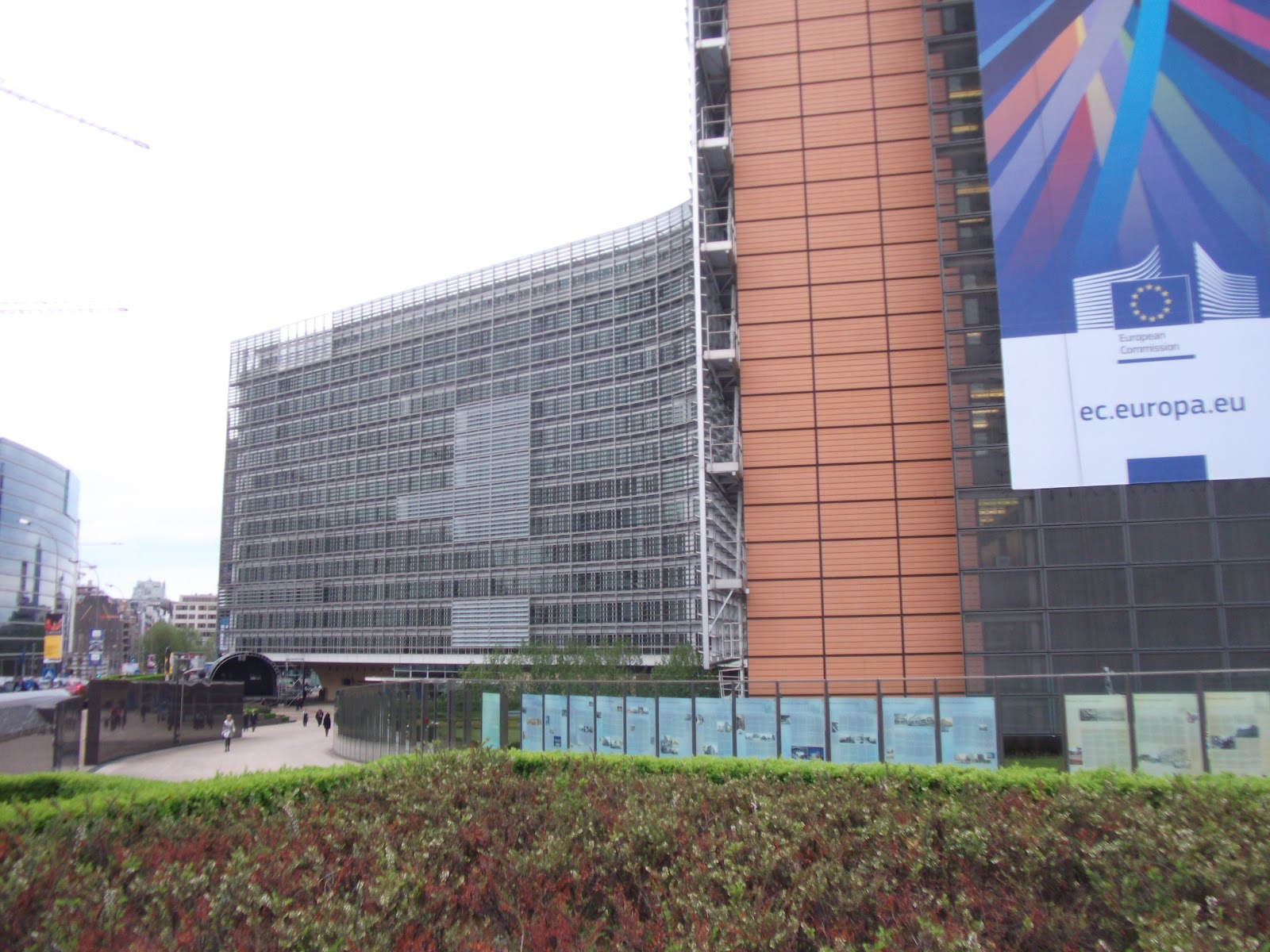
Commission and council of the European community – the various building of the European political headquarters


Institute Royal des Science naturelles – our stop for a well needed cup of tea and then an adventure in to the Dinosaur collection 


The Royal Palace – the most imposing monument within the district, today it is the official residence of the Belgian sovereigns


Rest break – resting the worn out feet


Mont des Arts – designed during the reign of Leopold I, it contains a range of statues and gardens overlooking the city


Medical equipment for sale –


Eglise St-Nicolas – at church has been on this site since the 12th Century, but much of it was damaged in the 1695 French Bombardment


Eglise St-Jean-Baptise au-Beguinage – this stone-clad church was consecrated in 1676 alongside the largest beguine community in the country.


Take me to a gay bar :)   - off with the parents to the gay area for a few drinks


Thursday, 24 May 2012

Family trip to Brussels 10th – 13th May 2012: Lower town


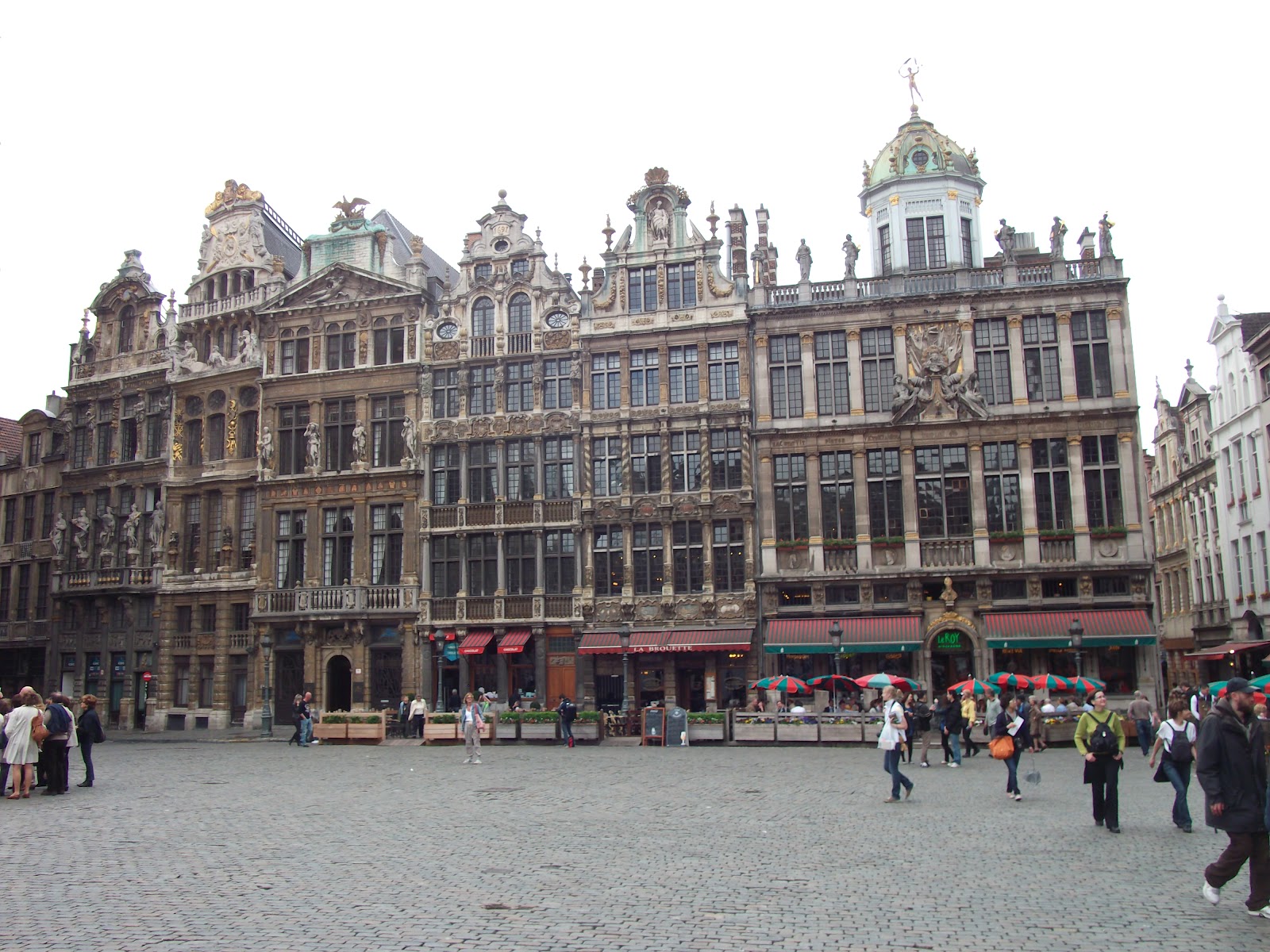
The Lower town: the ancient heart of the city and home to its most famous area, the Grand Place 

Grand Place – the market place is in the centre of the old town, and dominated by the town hall, and is surrounded by ancient guild houses 


L’ Etoile – is one of the oldest houses in the square, under its arch may be seen the statue of Everard’t Serclaes, the hero if the struggle between the guilds and the patricians in the 17th century. The stature remains gold at one level from all the hand prints of tourists. 


Hotel de Ville - The Town Hall of the City of Brussels is a Gothic building from the Middle Ages. It is located on the famous Grand Place in Brussels, Belgium. A 96 meter (310 ft) high tower in Brabantine Gothic style emerges from the roof of the Town Hall, the square tower body narrows to a lavishly pinnacled octagonal openwork. Atop the spire stands a 5-metre-high gilt metal statue of the archangel Michael, patron saint of Brussels, slaying a dragon or devil. 


The Maison du Roi – was first built in 1536 but redesigned in 1873. Once the residence of ruling Spanish monarchs, it is now home to the Musee de la Ville, which includes 16th century paintings, tapestries, and the 650 tiny outfits of Manneken Pis.


Manneken Pis – an unlikely attraction, this tiny statue of a young boy barely 30 cm high relieving himself into a small pool is much a part of Brussels as Trafalgar square lions are to London. In 1698 governor Maximillian Emmanuel donated a suit of clothing with which to dress the statue. It was the beginning of a tradition that continues to date. 


Rest stop for ice-cream: 


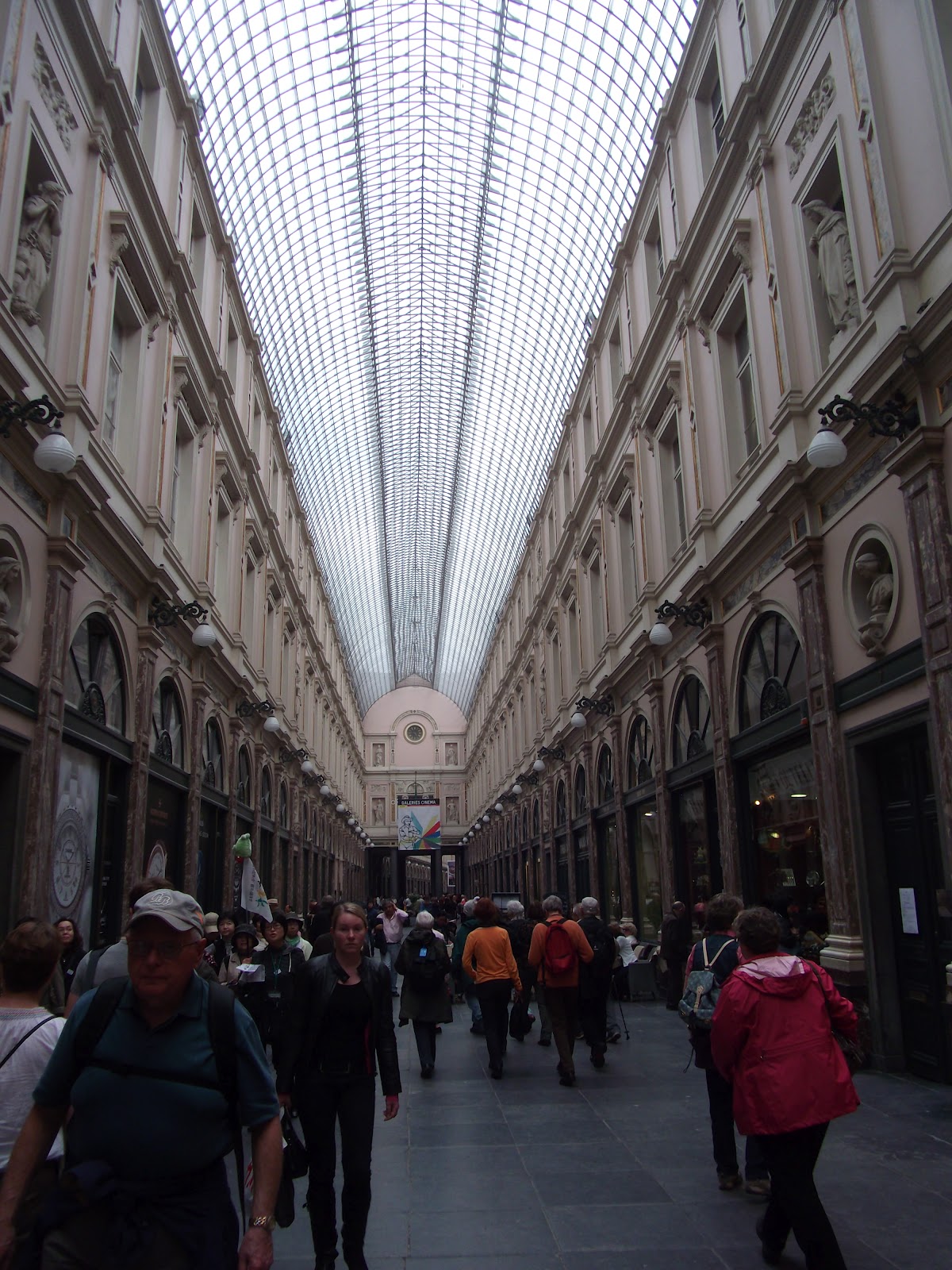
The Galleries Saint-Hubert – constitute a large passage 212 meters long, 8 meters wide and 18 meters high, it has the distinction of being the first shopping arcade in Europe , and one of the most elegant.


On the first night out Dan and I got a lot of attention, this may have been due to our tattoos: 


The town square at night, lit up is good for a drink but not cheap on the pocket: 


Family trip to Brussels 10th – 13th May 2012: PART I


Brussels is the capital of Belgium and the de facto capital of the European Union (EU). It is also the largest urban area in Belgium, and the seat of the French Community of Belgium and of the Flemish Community. 

Although historically Dutch-speaking, Brussels became increasingly French-speaking over the 19th and 20th centuries. Today a majority of inhabitants are French-speakers, including a significant population of immigrants with French as second language, and both languages have official status.

Royal Windsor Grand Place Hotel: Rue Duquesnoy 5, Brussels, 1000, BE


Elegant and sophisticated, the Royal Windsor Hotel Grand Place Brussels has one of  the best location in Brussels: just off the world-famous Grand Place, within walking distance from Brussels' Central Station and Congress Centre 'Square', the Antique Market on the Sablon, the Royal Covered Galleries and Brussels' Royal Palace Gardens.


Each guest has free access to this Brussels hotel's Fitness Centre, which includes his and hers saunas. While the Royal Windsor Hotel's Chutney's bar-restaurant offers a diversified menu; the hotel also has a piano bar and a nightclub that stays open until dawn. Not that we used any of these extra facilities at the time of staying.

View from the Hotel was not the most spectacular but it was within the centre of the city:


The high quality hotel in such a convenient location come with the disadvantage that extras like food and drink with in the hotel were extremely pricey. At £30 per person for breakfast we headed instead in to the city in search of food.  

Unlike a lot of hotels in Europe the hotel room come with a bath, although this was designed for small thin people in mind: